
low e tempered glass
How to Adjust a Water Pressure Reducing Valve A water pressure reducing valve (PRV) is a critical component in plumbing systems, particularly in areas where the municipal water supply pressure is too high. These valves help to regulate and lower the incoming water pressure to a safe and manageable level. Adjusting a PRV can improve the performance of your plumbing fixtures, extend the lifespan of your appliances, and enhance water efficiency. Here’s a step-by-step guide on how to adjust a water pressure reducing valve effectively. Understanding the Valve Before you begin the adjustment, it’s essential to understand how a PRV works. The valve typically has an adjustment screw or knob that controls the spring mechanism inside. This mechanism regulates the pressure of the water that passes through the valve. Tools You’ll Need - Adjustable wrench or pliers - Pressure gauge (for accurate measurements) - Screwdriver Step 1 Check the Current Pressure Before making any adjustments, you should determine the current water pressure in your system. To do this, attach a pressure gauge to an outdoor faucet or any other accessible water outlet. Turn on the water and note the pressure reading. The ideal household water pressure usually ranges between 40 to 60 psi (pounds per square inch). Step 2 Locate the PRV Identify the location of your PRV. It’s typically found near the main water supply line, often close to the water meter. The valve may look like a bell-shaped device or a cylindrical body. how to adjust water pressure reducing valve Step 3 Make Adjustments Once you have located the PRV and noted the current pressure, you can proceed with the adjustment 1. Loosen the Lock Nut If your PRV has a lock nut, use your adjustable wrench to loosen it, allowing you to turn the adjustment screw comfortably. 2. Adjust the Screw To increase the water pressure, turn the adjustment screw clockwise. To decrease the pressure, turn it counterclockwise. Make small adjustments (about a quarter turn) and re-check the pressure after each adjustment using the pressure gauge. 3. Recheck Pressure After making your adjustments, turn on a few faucets in your home to allow the system to stabilize. Take another reading with the pressure gauge to ensure the pressure is within your desired range. Step 4 Secure the Adjustment Once you have achieved the desired pressure, remember to tighten the lock nut on the PRV to keep the adjustment secure. Conclusion Adjusting a water pressure reducing valve is a straightforward process that can greatly benefit your plumbing system. By ensuring that you maintain an appropriate water pressure, you can optimize the efficiency of your plumbing fixtures and appliances. Regular checks and adjustments can help prevent leaks and damage, ensuring a longer lifespan for your plumbing system. If you encounter persistent issues or are unsure about the adjustments, don’t hesitate to consult a professional plumber for assistance.
about
low e tempered glass
Understanding OEM Saddle Pipe Clamps A Comprehensive Overview In the realm of industrial and construction applications, the importance of reliable pipe support systems cannot be overstated. One of the key components in this domain is the OEM saddle pipe clamp. This specialized clamp plays a significant role in securing pipes for a variety of projects, ensuring stability, flexibility, and durability. In this article, we will delve into the specifics of OEM saddle pipe clamps, their applications, benefits, and the factors one should consider when selecting them. What are OEM Saddle Pipe Clamps? OEM stands for Original Equipment Manufacturer, which denotes components made by the same company that produces the equipment they are intended to support. Saddle pipe clamps are specifically designed to cradle a pipe and provide a stable mounting point, often featuring a curved saddle that aligns with the pipe's profile. The design ensures even weight distribution across the pipe's surface, minimizing stress concentrations. These clamps often come in various materials, such as stainless steel, carbon steel, and plastic, making them suitable for different environments and applications. The choice of material often depends on factors such as corrosion resistance, thermal expansion, and the specific requirements of the piping system being used. Applications of Saddle Pipe Clamps OEM saddle pipe clamps are used in a wide range of industries, including 1. Construction Essential for securing plumbing and HVAC systems within buildings, ensuring that piping remains stable throughout construction and long after. 2. Oil and Gas Used extensively in pipelines that transport oil and gas. Their robust construction is vital for maintaining system integrity under high pressure and temperature conditions. 3. Water Treatment Ensuring that piping in water treatment plants is securely held in place to prevent leaks and damage. 4. Manufacturing In production facilities where piping systems for fluids or gases are crucial, these clamps support complex arrangements of tubing. 5. Automotive Inside vehicles, these clamps may be used to hold exhaust pipes, ensuring safety and efficiency. Benefits of Using OEM Saddle Pipe Clamps 1. Stability and Support The design of saddle clamps provides superior stability for pipes, reducing vibrations and minimizing stress along the piping system . oem saddle pipe clamp 2. Easy Installation Most OEM saddle pipe clamps are designed for ease of installation, often featuring pre-drilled holes that allow for quick attachment to various surfaces. 3. Customization Being OEM components, they can be tailored to fit specific equipment or installation requirements, ensuring a perfect fit. 4. Durability Made from high-quality materials, these clamps resist corrosion and wear and tear, extending the life of the piping system. 5. Cost-Effectiveness Investing in high-quality OEM saddle pipe clamps can save long-term costs related to repairs and replacements due to premature failure. Considerations When Choosing OEM Saddle Pipe Clamps When selecting the right saddle pipe clamp, several factors should be considered 1. Material Compatibility Ensure the clamp material is suitable for the type of pipe and the environment it will be exposed to. 2. Load Capacity Assess the weight and pressure that the clamp will be supporting, and choose a model that can handle the required load. 3. Size and Dimensions Proper sizing is crucial. The clamp should snugly fit the pipe without causing damage, while also accommodating any thermal expansion. 4. Installation Environment Depending on whether the installation occurs indoors or outdoors, choose clamps that offer the right level of resistance to environmental factors such as UV rays, moisture, and temperature fluctuations. 5. Regulatory Standards Ensure that the chosen clamps comply with industry standards and regulations pertinent to your specific application. Conclusion OEM saddle pipe clamps are an essential component in various industrial and construction applications, providing the support and stability needed for effective piping systems. By understanding their features, applications, and the considerations for choosing the right clamps, professionals can enhance the durability and reliability of their projects. As industries continue to evolve, the role of high-quality OEM components like saddle pipe clamps will remain indispensable in ensuring the efficient functioning of critical systems.
-

High quality industrial productsagement

High quality industrial products
View Details -

Meet the diverse needs of customers

Meet the diverse needs of customers
View Details -

Strict quality control

Strict quality control
View Details -

Top raw materials

Top raw materials
View Details -

Trusted supplier

Trusted supplier
View Details
Our application
news and information

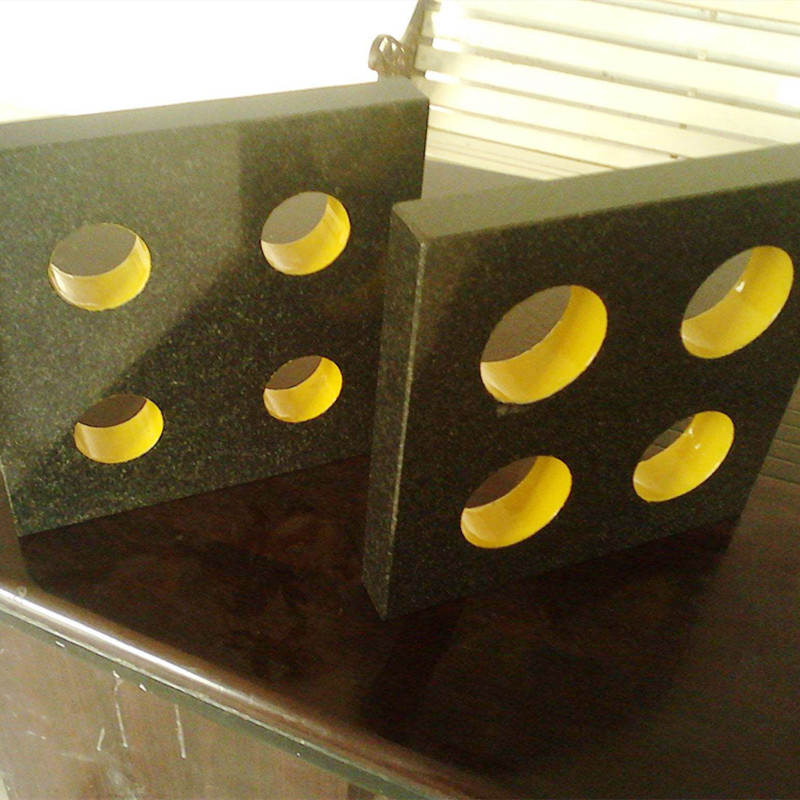
Various Types of Ball Valves Used in Plumbing Systems and Their Applications
Types of Ball Valves in Plumbing Ball valves are fundamental components in plumbing systems, widely
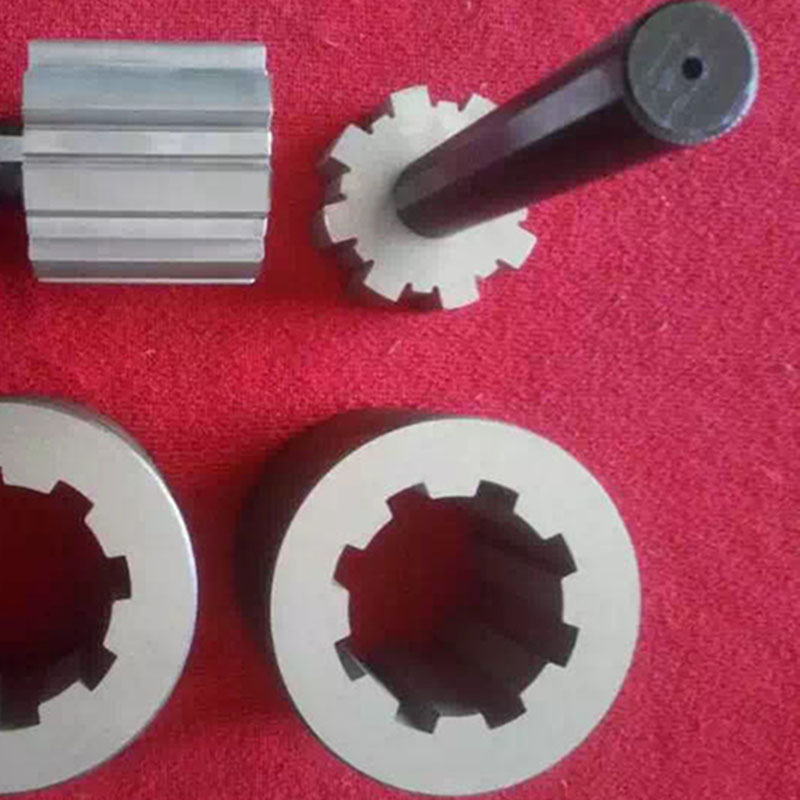
Versatile Welding Table Clamp Set for Secure and Precise Workholding Solutions
The Essential Guide to Welding Table Clamp Kits Welding is both an art and a science, and having the
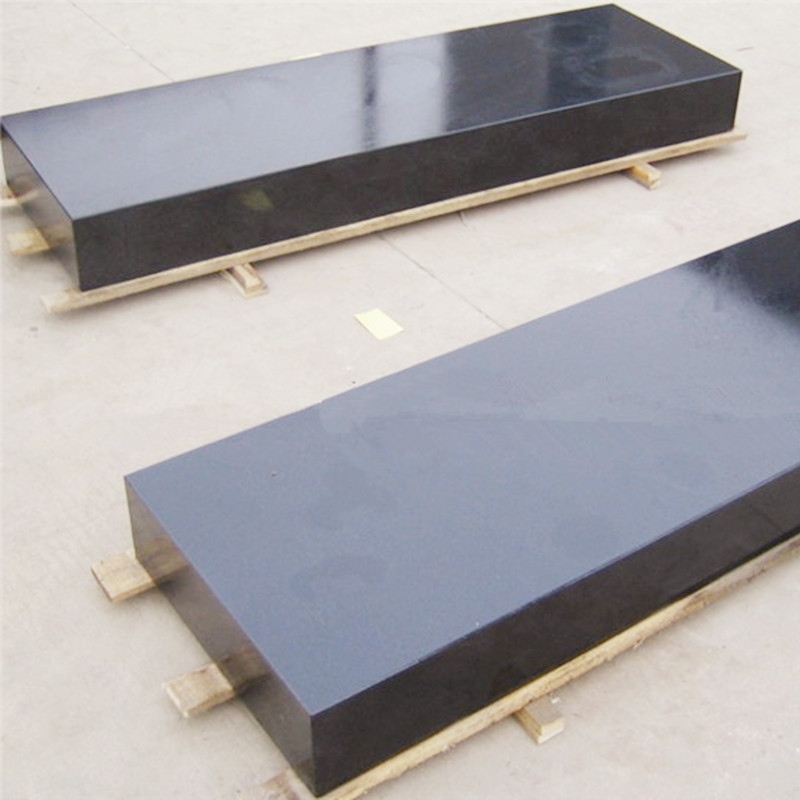
working thread plug gage
Understanding Working Thread Plug Gages Importance and Applications In the world of manufacturing an
 English